

Historically Android’s major releases shipped yearly; with Android 16 Google has leaned into more frequent minor releases (QPRs) that bundle focused improvements and security patches. QPR2 is notable because Google declared platform stability for its beta stream, signaling that the API surface for apps is locked — meaning developers can finalize compatibility work with confidence. This faster cadence reduces fragmentation and helps OEMs and app developers bring features to users quicker.
Top new features in Android 16 QPR2
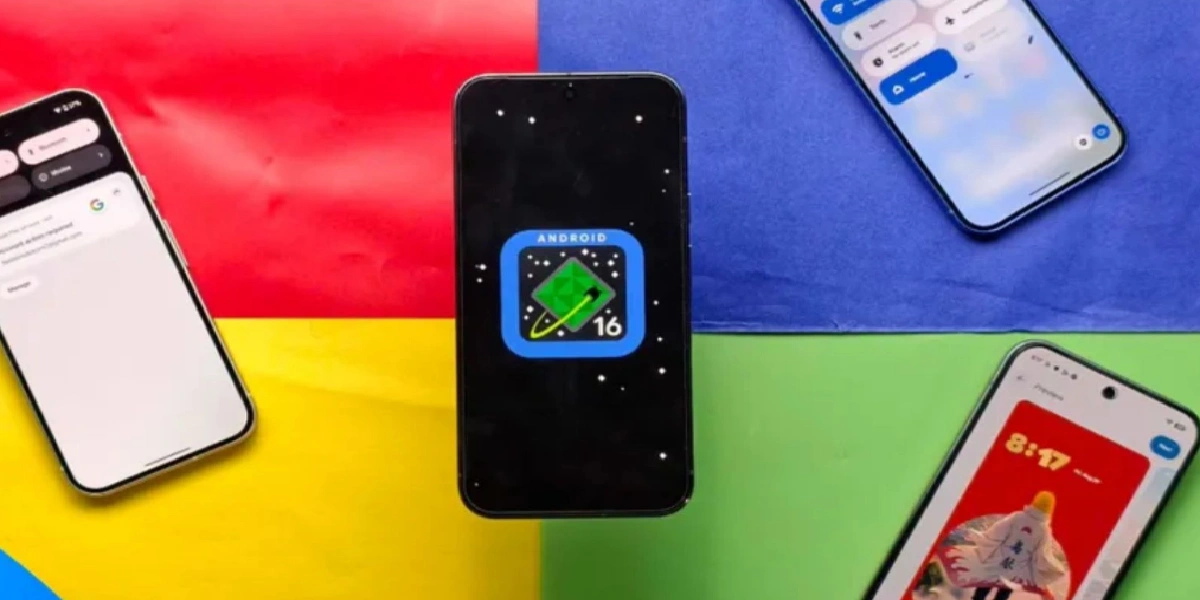
Below are the most impactful user-facing changes in QPR2.
AI-powered notification summaries
Long conversation threads and group chats can now be compressed into short, readable summaries that highlight the most important messages — great for cutting notification noise without missing the gist. This feature is rolling out beyond Pixel devices to wider OEM support.
Smarter notification organizer & silence rules
QPR2 improves categorization of notifications, making it easier to silence or deprioritize low-value alerts, while surfacing urgent ones more reliably.
Expanded customization and lock-screen widgets
Expect more icon shapes, themes, and richer lock-screen widgets that let users express themselves and access key info faster. These small polish features add up to a more personal experience.
Enhanced parental controls & family tools
Parental settings are more accessible and centralized in the Settings app, simplifying screen-time management and app restrictions for families
Developer-focused additions & platform stability
QPR2’s beta reached platform stability, letting developers finalize app compatibility and take advantage of new APIs introduced in the minor SDK release. Google is emphasizing quicker SDK and tooling rollouts to streamline development cycles.
December security patch & AOSP release
QPR2 ships with the December 1, 2025 security patch level in AOSP — a meaningful boost for device security and a must-have for enterprise users and privacy-minded buyers.
Devices & rollout — who gets Android 16 QPR2 first?
Google typically rolls these QPR updates to Pixel phones first. Reports indicate the QPR2 stable build is rolling out to a broad range of Pixel models (Pixel 6 series and newer, up to Pixel 10 family and foldables depending on model and region) while OEMs like Samsung are scheduled to adopt many QPR features across their flagships over the following weeks. If you own a Pixel, check Settings → System → System update. For others, watch your OEM’s update channels.
Does QPR2 affect device price or resale value?
Short answer: marginally, but positively for well-maintained devices.
Immediate price impact: Incremental OS updates like QPR2 rarely change manufacturer price tags. New phones released with later updates may carry higher launch prices due to added features or newer hardware, not the minor OS update itself.
Resale value: Devices that continue to receive timely OS and security updates generally hold value better. A phone that receives Android 16 QPR2 (and regular security patches) will be more attractive on the used market than an identical model stuck on older security levels. Enterprise buyers and privacy-conscious users often factor current patch level into purchasing decisions.
Conclusion
Android 16 QPR2 reinforces Google’s new, faster update rhythm: smaller, more frequent releases that deliver usable features (AI notification summaries, customization, improved parental controls), meaningful security updates, and better developer stability. While QPR2 won’t change device price tags overnight, it strengthens resale value and keeps devices relevant by closing the gap between flagship features and security maintenance. If you care about staying current and secure, ensure your device is eligible and updated — and if you’re shopping, prioritize devices with strong update promises
Read also: 2026 Volvo XC70 First Look Features Tech And Surprises You Didnt Expect