
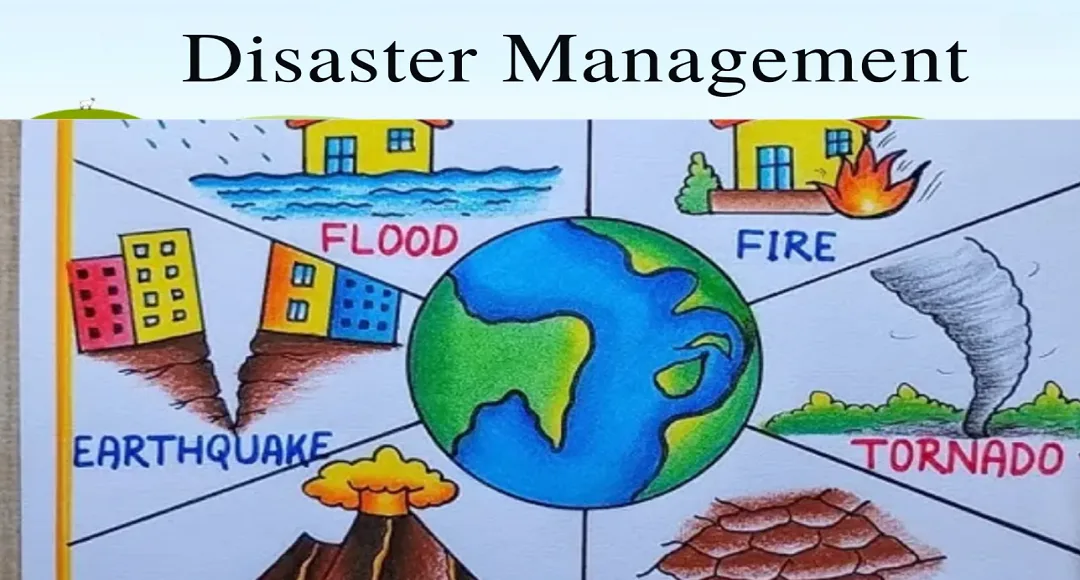
Disaster Management is a critical field that focuses on preparing for, responding to, and recovering from natural and man-made disasters. In today’s rapidly changing world—where climate change, urbanization, and industrial growth increase vulnerability—It can mean the difference between life and death. From floods and earthquakes to pandemics and industrial accidents, It provides structured strategies to minimize loss and rebuild stronger communities.
Meaning
Disaster Management refers to the systematic process of planning, organizing, and implementing measures to prevent, mitigate, prepare for, respond to, and recover from disasters. It is not limited to emergency response; instead, it is a continuous cycle that aims to reduce risks and enhance resilience.
A disaster can be natural (like earthquakes, floods, cyclones, droughts) or human-induced (like chemical spills, industrial accidents, terrorist attacks, or nuclear disasters). It ensures that communities are well-equipped to face such crises with minimal damage to life, property, and the environment.
Key Features
-
Prevention and Mitigation – Identifying risks and reducing their impact before a disaster occurs.
-
Preparedness – Training people, conducting drills, and creating emergency plans.
-
Response Mechanism – Quick action during emergencies, including rescue and relief operations.
-
Recovery and Rehabilitation – Restoring normal life and rebuilding infrastructure.
-
Coordination – Collaboration between government agencies, NGOs, and local communities.
-
Risk Assessment – Continuous monitoring and evaluation of potential threats.
These features collectively ensure a structured and organized approach to crisis management.
Secrets of Effective
Behind every successful disaster response lies strategic planning and execution. Here are some lesser-known secrets:
-
Early Warning Systems Save Lives: Technology-driven alerts for cyclones, tsunamis, and floods drastically reduce casualties.
-
Community Participation Is Crucial: Local awareness and training programs improve response speed.
-
Data-Driven Planning: Using satellite imagery and AI-based forecasting enhances preparedness.
-
Regular Mock Drills: Simulation exercises prepare authorities and citizens for real-life emergencies.
-
Strong Communication Networks: Clear and timely communication prevents panic and confusion.
The real strength of It lies in proactive planning rather than reactive measures.
Types of Disaster Management
It is categorized based on the nature of disasters:
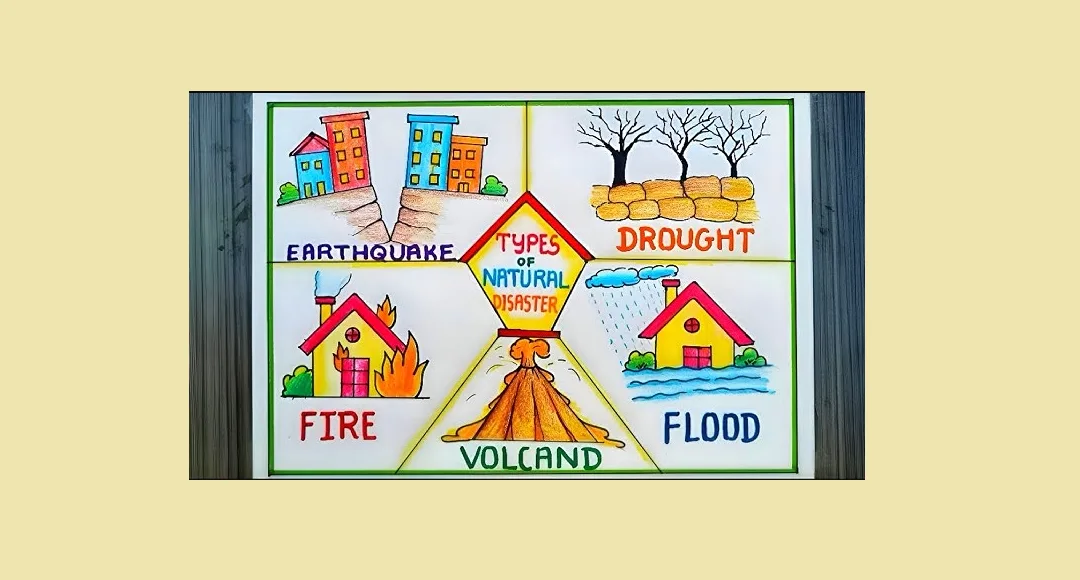
1. Natural Disaster Management
Deals with events such as earthquakes, floods, cyclones, hurricanes, landslides, and droughts.
2. Biological Disaster Management
Focuses on epidemics and pandemics, including disease outbreaks like COVID-19.
3. Technological or Industrial Disaster Management
Addresses accidents like chemical leaks, nuclear explosions, and industrial fires.
4. Environmental Disaster Management
Handles climate change-related issues such as global warming and deforestation impacts.
Each type requires specialized planning, resources, and expertise.
Functions of Disaster Management
The primary functions include:
-
Risk Identification and Assessment
-
Planning and Policy Formulation
-
Resource Allocation and Logistics
-
Emergency Response and Rescue Operations
-
Medical and Humanitarian Assistance
-
Rehabilitation and Reconstruction
-
Public Awareness and Training Programs
These functions operate in a coordinated cycle to ensure long-term safety and resilience.
Merits of Disaster Management
-
Reduces Loss of Life – Timely rescue operations save thousands of lives.
-
Minimizes Economic Damage – Proper planning protects infrastructure and industries.
-
Promotes Community Awareness – Educated citizens respond more effectively.
-
Improves Government Preparedness – Strengthens administrative efficiency.
-
Encourages Sustainable Development – Risk-sensitive planning supports long-term growth.
Demerits of Disaster Management
Despite its advantages, faces certain challenges:
-
High Costs – Advanced equipment and infrastructure require significant investment.
-
Lack of Awareness in Rural Areas – Limited education hampers preparedness.
-
Coordination Issues – Delays due to bureaucratic procedures.
-
Dependence on Technology – System failures can disrupt communication.
-
Resource Constraints – Shortage of trained personnel and equipment in developing regions.
Addressing these drawbacks is essential for more effective implementation.
Modern Disaster Management Tactics
Modern disaster management has evolved significantly with technological advancements:
-
Artificial Intelligence and Big Data for predictive analysis.
-
Drone Technology for aerial surveillance and rescue missions.
-
GIS Mapping Systems for real-time disaster tracking.
-
Mobile Alert Applications for instant public notifications.
-
Climate-Resilient Infrastructure Development to withstand extreme weather conditions.
These modern tactics enhance efficiency, reduce response time, and improve recovery outcomes.
Disaster Management in India
India is highly vulnerable to natural disasters due to its geographical diversity. To address these challenges, the Government of India established the National Disaster Management Authority (NDMA) under the Disaster Management Act, 2005. NDMA formulates policies, plans, and guidelines for disaster management across the country.
The National Disaster Response Force (NDRF) plays a crucial role in emergency rescue and relief operations. Additionally, State Disaster Management Authorities (SDMAs) function at the state level.
India has improved its disaster response system significantly, especially in cyclone management, where early warning systems have reduced casualties dramatically. However, challenges such as rapid urbanization, climate change, and population density still demand continuous improvement.
Conclusion
It is not just a governmental responsibility—it is a collective effort involving communities, organizations, and individuals. With proper planning, advanced technology, and active public participation, the impact of disasters can be significantly reduced. As the world faces increasing environmental and technological risks, strengthening This systems remains more important than ever.
Read also: New education policy explained how it will change the future of learning